Agriculture 4.0 Precision and Automated Ag. Technologies
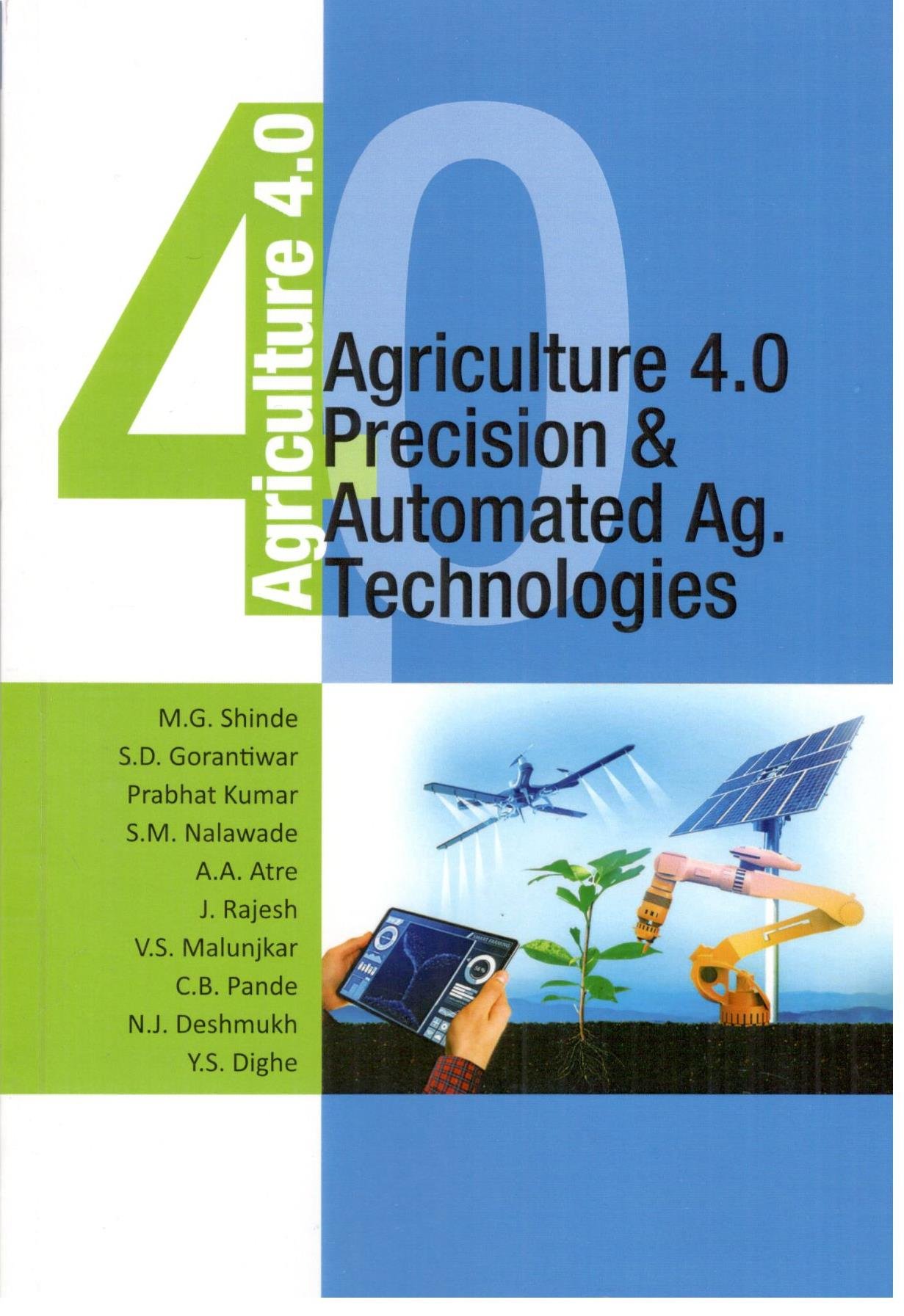
Agricultural technologies are rapidly evolving towards a new paradigm Agriculture 4.0. Precision and Automated Ag. Technologies. Within this paradigm, digitalization, automation, remote sensing, GIS, irrigation system and technologies, image analysis of unmanned aerial vehicles based data for phenotyping applications, artificial intelligence, Global Positioning System, agriculture robotics, drones, information and communications technology, and Internet of things play a major role in crop production, including weeding, pest control and engagement practices. This evolution presents both challenges and opportunities, such as leap frogging from manual and animal-driven technologies to automated and mechanized equipment in developing countries and closing the digital divide. The development of Agriculture 4.0 Precision and Automated Ag. Technologies will create new opportunities that can attract youth and entrepreneurs into the sector, tackling some of the causes for rural–urban migration and contributing to the economic component of sustainability. This book will be useful for the application of Remote sensing and GIS, Artificial Intelligence, Global Positioning System, Agriculture Robotics, Drones, Irrigation System and Technologies, Information and Communications Technology, Internet of things and Information technologies in the area of agricultural mechanization for crop production, and its specific applicability in the context of sustainable development. It takes into consideration the social, economic and environmental dimensions of its adoption and explores its potential. It presents some of the technical characteristics of remote sensing, GIS, artificial intelligence, Global Positioning System, agriculture robotics, drones, information and communications technology, irrigation system and technologies, image analysis of unmanned aerial vehicles-based data for phenotyping applications, and Internet of things highlights major challenges to overcome in order to achieve its successful adoption, such as adequate infrastructure, stakeholder capacity, economic viability and data ownership. This book provides an analysis of some of the major areas of intervention that are needed for the different stakeholders, including smallholder farmers in developing countries
