Amazing North East : Sikkim
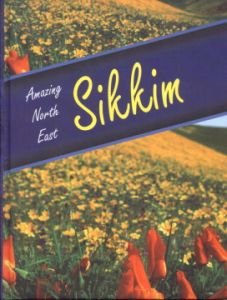
Contents: Preface. 1. Introduction. 2. Salient features. 3. History. 4. Geography. 5. Society. 6. Education. 7. Language and literature. 8. Economy. 9. Polity. 10. Tourism. Bibliography. Index.
From the preface: "The early history of Sikkim started in 13th century with the signing of a blood brother hood treaty between Lepcha Chief Thekong Tek and Tibetan prince Khye Bumsa at Kabi Lungtsok in North Sikkim. This followed the historical visit of three revered Lamas to Yuksam in 1641 in West Sikkim, where they consecrated Phuntsog Namgyal, a sixth generation descendent of Khye-Humsa as the first Chogyal of Sikkim, thus heralding the beginning of the Namgyal dynasty in Sikkim. With the March of history, events in Sikkim saw the state pass through the process of democratisation and become an integral part of the Indian Union in 1975.
Sikkim is a blessed land, where people from all communities live in harmony. In spite of the fact that Sikkim comprises different people and is a multiethnic society. It is perhaps the most peaceful State of the Indian Union to promote communal harmony and human relations, a feat which is much expected in a plural society, like India. "
