Art and Activism in Arundhati Roy : A Critical Study Based on Spivak\'s Theory of Subalternity
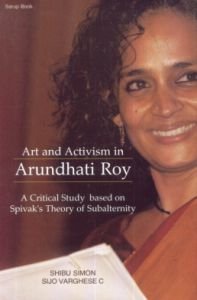
Contents: Preface. 1. Art and activism in literary writers. 2. Subalternity: an overriding concept in literature. 3. Gayatri Chakravorty Spivak’s Theory of subalternity. 4. Art: Arundhati Roy’s fictional world. 5. Activism: Arundhati Roy’s non-fictional world. 6. Subalternity as reflected in the art and activism of Arundhati Roy. Bibliography. Index.
Art and Activism in Arundhati Roy is a critical study of Roy’s literary and activistic writings, especially of her Booker Prize winning novel The God of Small Things, from a subaltern perspective. The book, outlined in six chapters, discusses at length how Roy’s writings corroborate Gayatri Spivak’s famed theory of subalternity. Spivak identified the limitation of the subalterns: the subalterns cannot speak. The fictional and nonfictional characters in Roy’s works delimit the problem: the subalterns do utter their thoughts aloud; but other do not have the patience to listen to them. The problem lies not with the articulation by the subalterns but with its interpretation by the authorities. The subalterns have been denied the privilege, down the ages, to have transactions with others. The failure in the communication system results in the eternal suffering of the subalterns.
Roy moved from the role of an artist to that of an activist with the publication of The End of Imagination and The Greater Common Good. In the world of day-to-day life, Roy continues to engage the major themes of her novel: subalternity and ecology. Her association with the Narmada Bachavo Andolan was no an accident; it was the culmination of the natural progression of an activist from the realm of imagination of the realm of reality. Art paves way for activism in Arundhathi Roy. Her God of Small Things may be an artistic adventure, but it is artistic activism as well.
Besides Roy, the book studies in depth the works of Mulk Raj Anand, Toni Morrison, Mahasweta Devi and Sara Joseph -- the artists of the modern generation who stood by the subalterns and the marginalized sections of the society for the ‘greater common good’.
Since Indian Universities offer courses on Indian writing in English as part of their literature programmes from graduate to research levels, this book will greatly help the students, teachers and researchers in the discipline besides the common reader.
