Biodiversity Conservation in Human Landscape
Contents: Preface. 1. Biodiversity Conservation. 2. Solar Energy: An Emerging Threat to Biodiversity of The Thar Desert in Rajasthan, India. 3. Exploring the utility of Plant Based Dressings for the Treatment of Bacterial Wounds in Human Skin. 4. Toxicological Classification of Pesticides and Its Environmental Impact. 5. Human & Civil Rights. 6. Introduction to Industrial Psychology: Nature, Scope, Challenges & Problems. 7. A Review on the Impact of Microplastics on Fishes and Other Aquatic Organisms. 8. Comparative Study of Vermicompost before and after Composting by Eisenia Fetida from Karjat Tehasil, Ahmednagar District, Maharashtra, India. 9. Physico-chemical analysis of textile industrial waste water effluent. 10. Sacred Groves: Religious Beliefs and Ecological Significance of Serpentine. 11. Air Pollution Tolerance Index and Metal Accumulation Index of Azadirachta Indica at Selected Sites in Jaipur, India. 12. Solar Radiation Conversion into Electric Energy by using Photogalvanic System. 13. Paper Title: (A review of Fluoride determination in soil of Nagaur District, Rajasthan). 14. Literature as a Tool for Environmental Activism and Advocacy: An Analysis of Medha Patkar and Arundhati Roy’s Works. 15. Business & Organizational Communication. 16. जलवायु परिवर्तन: पर्यावरण के लिए गंभीर चुनौती. 17. Ethnomedicinal plants diversity in Reni tehsil, Alwar, Rajasthan. 18. Literary Perspectives on Sustainable Development and Conservation. 19. Functional and Floral Morphology of Datura innoxia Mill. & Datura Stramonium L. 20. Environment protection and Sustainable Development in India. 21. Rapid efficient biosorption of Cd(II) from waste Water Using Orchid Plant (Vanda sp.).
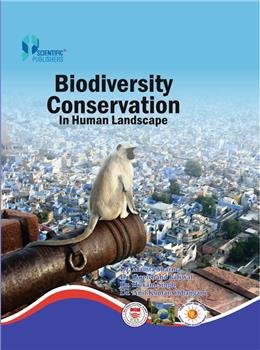
"The fact is that no species has ever had such wholesale control over everything on Earth, living or dead, as we now have.” Sir David Attenborough Biodiversity conservation in human landscapes involves protecting and managing biodiversity in areas where human activities have significantly modified the natural environment. This includes urban areas, agricultural landscapes, and areas impacted by industrial activities. Conservation efforts in these landscapes are crucial as they often harbour unique species and ecosystems that provide valuable ecosystem services. Restoring degraded habitats to their natural state can help conserve biodiversity. This can include reforestation, wetland restoration, and restoring natural waterways. Establishing protected areas within human landscapes can help conserve biodiversity. These areas can include nature reserves, national parks, and wildlife sanctuaries. Incorporating green spaces, such as parks and gardens, into urban planning can help maintain biodiversity in cities. Green roofs, vertical gardens, and urban forests can also provide habitat for plants and animals. Implementing sustainable agricultural practices can help conserve biodiversity in agricultural landscapes. This includes using agroforestry, crop rotation, and integrated pest management. Educating the public about the importance of biodiversity conservation and promoting sustainable lifestyles can help reduce the impact of human activities on biodiversity. Implementing laws and regulations that protect biodiversity and promote sustainable development can help conserve biodiversity in human landscapes. Overall, conserving biodiversity in human landscapes requires a multi-faceted approach that involves collaboration between governments, NGOs, businesses, and local communities. Biodiversity conservation in human landscape book brings you a balanced, state-of-the-art presentation of the latest concepts, methods, algorithms, techniques, procedures and applications of the fascinating field of science and technology in this emerging arena. Written by eminent, leading, international experts, the contributors provide up-to-date aspects of topics discussed and present fresh, original insights into their own experience with the science and technology in this expanse. This rich "anthology of papers" which compose this volume, contains the latest developments and reflects the experience of many eminent researchers working in different environments (universities, research centres and industry)
