Bioethics and Biosafety
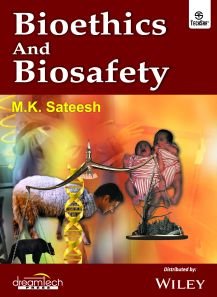
Contents: Foreword. Preface. Acknowledgements. 1. Introduction to bioethics and biosafety. 2. Human genome project and its ethical issues. 3. Molecular detection of pre-symptomatic genetic diseases and its importance in healthcare. 4. Prenatal diagnosis, genetic manipulations and their ethical issues. 5. Ethical, legal and social implications of Human Genome Project. 6. Genetics studies on ethnic races. 7. Biosafety guidelines and regulations. 8. Legal and socio-economic impacts of biotechnology. 9. Use of genetically modified organisms and their release in the environment. 10. Hazardous materials used in biotechnology--their handling and disposal. 11. Good Laboratory Practice (GLP) and Good Manufacturing Practice (GMP). 12. Public education of producing transgenic organisms. 13. Intellectual Property Rights (IPRs). 14. Intellectual property rights and agricultural technology, and their implications for India and other developing countries. 15. International organizations and intellectual property rights. 16. Introduction to patent and process involved in patenting. 17. Patenting living organisms. 18. Traditional knowledge, commercial exploitation, and protection. 19. Bioethics in biodiversity and resource management. 20. Ethical issues in genetically modified organisms: foods and crops. 21. Labeling of genetically modified food and crops. 22. Stem cell research, applications of stems cells and ethical issues involved in stem cell research and use. 23. Use of animals in research and testing, and alternatives for animals in research. 24. Animal cloning, human cloning and their ethical aspects. 25. Testing of drugs of human volunteers. 26. Organ transplantation and ethical issues. 27. Public and Non-governmental Organizations (NGOs) participation in biosafety and protection of biodiversity. 28. Indian biodiversity act. Glossary of terms. Appendix. Index.
"Biosafety deals with the prevention of large scale losses of biological integrity focusing both on ecology and human health. It is related to several fields such as ecology, agriculture, medicine, chemistry and ecobiology.
Bioethics is the philosophical study of the ethical controversies brought about by advances in biology and medicine. It is concerned with the ethical questions that arise in the relationships among life sciences, biotechnology, medicine, politics, law, philosophy and theology. It is concerned with the nature of life and death, the kind of life to be considered worth living, what constitutes murder, how people in very painful circumstances should be treated, what are the responsibilities of one human being to others, and other such living organisms.
The book has been divided in 28 chapters. It is an integrated approach to encompassing information on different aspects of biosafety and bioethics and their applications in biotechnology. Simple, clearly understandable illustrations, correct and up-to-date information are the main features of this book.
The book is intended not only for undergraduate and postgraduate students of biotechnology, genomics and related sciences, but is also aimed to draw attention of policy makers and teachers at national and international levels to the possible approaches in the field of biotechnology.
Key features
Covers the topics in depth from the basics and deals with the key subject areas.
Takes a broader view of the earlier and current situations in different countries.
Gives the uses and their ethical aspects of the different technological developments made in the biotechnology field.
Covers new developments in wider areas of biotechnology and its applications to mankind.
Deals with aspects of the bioethics and biosafety protocols and their implementation.
Briefs the Indian biodiversity act."
