Comprehensive Textbook of Medical Physiology (2 Vols-Set)
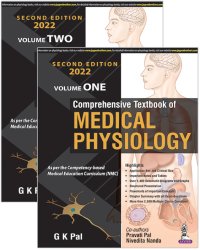
Contents: Volume I: Section 1: General Physiology: 1. Defining the role of physiology in modern medicine. 2. Functional organization of human body. 3. Principles of homeostasis. 4. Cellular organization, cell functions and intercellular connections. 5. Physiology of genetics and apoptosis. 6. Transport across the cell membrane. 7. Membrane potential. 8. Body fluids. Section 2: Blood and Immunity: 9. Introduction to blood and plasma proteins. 10. Bone marrow and hemopoiesis. 11. Red blood cells. 12. Erythropoiesis. 13. Destruction of red blood cells. 14. Hemoglobin and blood indices. 15. Pathophysiology of anemia and polycythemia. 16. Blood groups and physiological basis of blood transfusion. 17. Leukopoiesis. 18. White blood cells. 19. Thymus and lymphoid tissues. 20. Physiology of immunity. 21. Organ transplantation and applied aspects of immunity. 22. Introduction to hemostasis, thrombopoiesis and structure and properties of platelets. 23. Role of platelets in hemostasis and applied aspects of platelets. 24. Blood coagulation. 25. Anticoagulants and applied aspects of blood coagulation. Section 3: Nerve and Muscles: Part A: Nerve. 26. Structure and functions of neurons. 27. Nerve potentials and propagation of nerve impulse. 28. Properties and classification of nerve fibers, nerve injury and other applied aspects. Part B: Neuromuscular Junction. 29. Neuromuscular transmission. Part C: Muscles. 30. Structure of skeletal muscle: physiological aspects. 31. Excitation-contraction coupling and molecular basis of skeletal muscle contraction. 32. Skeletal muscle: properties, fiber types and applied aspects. 33. Smooth muscle and cardiac muscle. Section 4: Autonomic Nervous System. 34. Functional organization of autonomic nervous system. 35. Sympathetic system. 36. Parasympathetic system. 37. Control of autonomic functions and applied aspects. 38. Autonomic function tests. 39. Heart rate variability. 40. Blood pressure variability and baroreflex sensitivity. Section 5: Cardiovascular System. Part A: General Introduction. 41. Functional organization of cardiovascular system. Part B: Heart. 42. Functional anatomy of heart, cardiac innervation and cardiac muscle. 43. Properties of cardiac muscle. 44. Electrophysiology of the heart. 45. Conducting system of heart; origin and spread of cardiac impulse. 46. Electrocardiogram. 47. Cardiac cycle. 48. Cardiac output. 49. Heart rate and arterial pulse. Part C: Circulation. 50. Principles of hemodynamics. 51. Arterial system. 52. Capillary circulation. 53. Lymphatic system and lymphatic circulation. 54. Venous system. 55. Regulation of blood pressure. 56. Integrated regulation of cardiovascular functions. 57. An overview of regional circulation. 58. Cerebral circulation. 59. Coronary circulation. 60. Cutaneous, splanchnic and skeletal muscle circulation. 61. Fetal and neonatal circulation. Part D: Applied and Clinical Aspects of CVS. 62. Pathophysiology of hypertension and hypotension. 63. Pathophysiology of shock. 64. Pathophysiology of heart failure. Section 6: Respiratory System. 65. Functional organization of respiratory system. 66. Mechanics of breathing. 67. Pulmonary ventilation. 68. Pulmonary circulation and ventilation-perfusion ratio. 69. Diffusion and gas exchange in lungs. 70. Oxygen transport. 71. Carbon dioxide transport. 72. Regulation of respiration. 73. Physiological changes at high altitude. 74. Hypoxia, cyanosis, and oxygen therapy. 75. Hazards of deep sea diving and effects of increased barometric pressure. 76. Respiration in abnormal conditions and abnormal respirations. 77. Artificial ventilation and cardiopulmonary resuscitation. 78. Pulmonary function tests. Section 7: Gastrointestinal System. Part A: Introduction to GI System. 79. Functional organization of GI system and principles of GI regulations. 80. Gastrointestinal hormones. Part B: GI Secretions. 81. Principles of GI secretion and secretion of saliva. 82. Gastric secretion. 83. Pancreatic secretion. 84. Physiology of liver, liver function tests and pathophysiology of jaundice. 85. Biliary secretion. 86. Intestinal secretion. 87. Secretion of large intestine. Part C: GI Motility. 88. Introduction to GI motility. 89. Chewing and deglutition. 90. Esophageal motility. 91. Gastric motility. 92. Small intestinal motility. 93. Motility of large intestine. Part D: Digestion and Absorption. 94. Principles of digestion and absorption.
Volume 2: Section 8: Renal Physiology.95. General introduction and functional anatomy of kidney. 96. Renal blood flow. 97. Glomerular filtration. 98. Tubular functions. 99. Concentration and dilution of urine. 100. Regulation of ions and water reabsorption in kidney. 101. Water excretion, diuresis, and diuretics. 102. Acidification of urine. 103. Regulation of volume, composition and osmolality of body fluids compartments. 104. Kidney function tests and renal failure. 105. Physiology of micturition and bladder dysfunctions. Section 9: Endocrine Physiology. 106. Introduction to endocrinology. 107. Mechanisms of hormone action. 108. Hypothalamus and hypothalamo-pituitary axis. 109. Pituitary gland: the anterior pituitary. 110. Posterior pituitary gland. 111. Thyroid gland. 112. Adrenal gland: the adrenal medulla. 113. Adrenal cortex. 114. Endocrine pancreas. 115. Blood glucose homeostasis and pathophysiology of diabetes mellitus. 116. Calcium and phosphate metabolism and physiology of bone. 117. Parathyroid gland. 118. Role of Calcitonin, Vitamin D and other hormones in calcium metabolism and bone physiology. 119. Pineal gland. 120. Local hormones. Section 10: Reproductive System. Part A: General Reproductive Physiology. 121. Sex differentiation and development, puberty and menopause. 122. Physiology of puberty and menopause. Part B: Male Reproductive Physiology. 123. Male reproductive system. 124. Spermatogenesis. 125. Testicular hormones and testicular abnormalities. Part C: Female Reproductive Physiology. 126. Female reproductive system and oogenesis. 127. Development of ovarian follicle and ovulation. 128. Menstrual cycle and menstrual disorders. 129. Ovarian hormones, control of ovarian functions and applied aspects. Part D: Physiology of Conception, Pregnancy, Lactation and Contraception. 130. Physiology of copulation. 131. Pregnancy and parturition. 132. Physiology of breast development and lactation. 133. Physiology of contraception. Section 11: Neurophysiology. Part A: Introduction to Neurophysiology. 134. Functional organization of nervous system. 135. Synaptic transmission in central nervous system. Part B: The Sensory System. 136. Introduction to sensory system and physiology of receptors. 137. Sensory communication to spinal cord. 138. Ascending pathways. 139. Physiology of pain, itch and temperature. 140. Trigeminal system. 141. Thalamus. 142. Sensory cortex. 143. Sensory abnormalities. Part C: The Motor System. 144. Introduction to and organization of motor system. 145. Segmental organization of motor system. 146. Muscle spindle and golgi tendon organ. 147. Spinal reflexes. 148. Supraspinal control: the descending pathways. 149. Regulation of muscle tone, posture and movement: spinal, medullary, midbrain and cortical integration. 150. Basal ganglia. 151. Cerebellum. 152. Vestibular apparatus. Part D: Hypothalamus, EEG and Sleep; Limbic Functions and Higher Functions of Brain and CSF. 153. Functions of hypothalamus. 154. Physiology of reticular activating system. 155. Electroencephalograhy and physiology of sleep. 156. Limbic system. 157. Physiology of learning and memory. 158. Physiology of language and speech. 159. Neocortex (association cortex) and cerebral asymmetry. 160. Functions of the lobes of the brain and cortical plasticity. 161. Cerebrospinal fluid. Section 12: Special Senses. Part A: Vision. 162. Functional anatomy of eye. 163. Image forming mechanisms. 164. Photoreceptor mechanism. 165. Visual pathway and visual cortex. 166. Visual acuity, visual field, light and dark adaptations and visual reflexes. 167. Color vision. 168. Movements of the eye. 169. Electrooculography, electroretinography and visual evoked potentials. Part B: Hearing. 170. Functional anatomy and functions of the ear. 171. Auditory pathways. 172. Mechanisms of hearing. 173. Hearing defects and hearing tests. Part C: Smell and Taste. 174. Physiology of smell. 175. Physiology of taste. Section 13: Integrative Physiology. 176. Structure and functions of the skin. 177. Regulation of body temperature and acclimatization to hot and cold environments. 178. Aviation and space physiology. 179. Physiology of exercise and sports science. 180. Principles of acid-base homeostasis. 181. Physiology of growth and development. 182. Principles of energy metabolism. 183. Physiology of nutrition. 184. Physiology of aging and oxidative stress. 185. Physiology of yoga and prevention of aging. 186. Competency-based integrated curriculum and early clinical exposure in physiology. Index.
Physiology is emerging as the central subject in medical science. With new revised curriculum of Medical Council of India (MCI), 2019, which has the recommendation for implementation of evidence-based, objective-oriented, clinically-focussed and skillbased integrated curriculum, physiology is the most suitable subject for such an evolutionary change in undergraduate medical profession in India. Physiology is the subject for complete integration with clinical and paraclinical subject, as Physiology provides the knowledge and basis of medical practice. In the new curriculum, Physiology as a subject will provide the link for integration among all the subjects. The present edition of the book is thoroughly revised in the light of new MCI 2019 guidelines for undergraduate medical curriculum. All major concepts and advances in physiology have been thoroughly incorporated in the text. The second edition of the book will fulfil the requirements and aspirations of all our readers.
