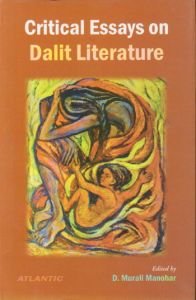
Critical Essays On Dalit Literature
In the context of traditional Hindu society Dalit status has often been historically associated with occupations considered ritually impure such as any involving leatherwork butchering or removal of rubbish, animal carcasses, and waste. Engaging in these activities was considered to be polluting to the individual , and this pollution was considered contagious. As a result Dalits were commonly segregated, and banned from full participation in Hindu social life. Social reality in India can be mapped along three axes--caste social, profession economic and gender. Among these, within the social axes, Brahaminism plays in important role in the identity and demarcation of Dalits who are still subjected to suppression.
Gender is a key dimension in mapping the social reality but more so in the case of Dalits. Apart from the regular forms of gender based inequality and oppression which they face in family, community and society, Dalit women in India are alienated on the basis of caste, class and gender. They are the most vulnerable targets of caste based violence against their community and are also raped and abused.
Some Dalits however have successfully integrated into urban Indian society, where caste origins are less obvious and less important in public life. But in rural India, caste origins are more readily apparent and Dalits often remain excluded from local religious life.
