Differently Abled Women : Issues and Challenges
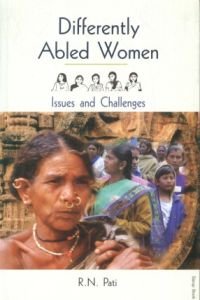
Contents: Preface. 1. Introduction. 2. Socio-Demographic Characteristics of women with disabilities. 3. Types of disabilities, reasons and efficacy of rehabilitation interventions. 4. Perceptions of NGO workers on social security and rehabilitation issues of women with disabilities. 5. Perception of community elites on care and social support to women with disabilities. 6. Case studies of different women with disabilities. 7. Conclusions and Recommendations. Index.
The persons with disabilities are well over 500 million in different regions of the world today. Their number is multiplied every year. The war, destruction, climatic hazards and unhealthy living condition contributes significantly to the episodes of disabilities worldwide. The less developed countries of the world accommodate large section of persons with disabilities compared to developed countries. The issues of disabilities are numerous and complex. This book is an outcome of the research project entitled study on needs, Problems, aspirations and rehabilitation of Women with Disabilities in Rural and Urban areas of Odisha sponsored by National Commission for women, New Delhi. This piece of research critically examines issues and challenges encountered by physically challenged women in rural and urban region of Odisha. Disability is intrinsically correlates with poverty. The physically challenged women place higher demand on family resources and depend on their consanguinal and affinal relatives. The women with disabilities suffer due to gender discrimination both at family as well as community level. The institutional safeguard are marginalized. They are brutally exploited by their care givers. The financial constraint obstruct social, economic, psychological and vocational rehabilitation. The constitutional provisions have been overlooked by the employers. The reservation for jobs and self employment are not up to the mark. The rehabilitation projects implemented by NGOs need to be renewed accommodating the felt needs of stake holders. Lack of resources is a critical issues for continuance of rehabilitation of women with disabilities both in urban and rural areas of Odisha. The medical, educational, vocational and social rehabilitation need o be streamlined in conformity with schematic provisions of Government of India. There are many laws and policies safeguarding human rights and encouraging community participation for enhancing the quality of life of women with disabilities. This volume critically examines different d9mensions of rehabilitation issues and generates insights for developing roadmap towards integrating this section into mainstream of development.
