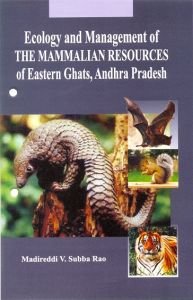
Ecology and Management of the Mammalian Resources of Eastern Ghats Andhra Pradesh
Contents: Preface. 1. Introduction. 2. Aims and objectives. 3. Study area. 4. Methodology. 5. Mammalian resources of the study area. 6. Status and distribution of the mammalian fauna. 7. Habitat ecology. 8. Stratification of habitats. 9. Habitat trends. 10. Habitat classification. 11. Mammals from eastern Ghats of Andhra Pradesh. 12. Ecology of common, reare, vulnerable and endangered mammals. 13. Human impact. 14. Inhabitants of the region. 15. Exploitation pattern. 16. Conservation and management studies. 17. Data base. Summary. Highlights of the findings. List of research publications. List of research abstracts. Photos at a glance. Eastern Ghats of Andhra Pradesh.
Our Knowledge of the mammalian resources of the Eastern Ghats urged the need to explore the scientific management of these resources. The ignorance and lack of expertise in mammalian studies resulted in extinction of Cheetah in India. Basing on the intensive survey of the Eastern Ghats of Andhra Pradesh, the documentation of the mammalian resources together with status, distribution and ecology of mammalian fauna has been recorded. The forest areas of the Eastern Ghats of Andhra Pradesh consisting of 14 districts. 46 mammalian species in 9 Orders of Class Mammalia have been documented in this Monograph. The status of these 46 species of mammals are classified into 6 Endangered; 18 Vulnerable; 6 Rare; 16 common species of mammals in Eastern Ghats of Andhra Pradesh. The Habitat distribution, the Habits, the Activity pattern, the Feed preferences and the Foraging strategies of all 46 species of mammals were mentioned in this volume. The human impact including Podu or swifting cultivation has been observed as one of the major factors responsible for dwindling of the population of mammals and disappearance of the important habitat. The Conservation and Management of the mammalian resources were conducted in 3 Core areas, which are; (1) Papikonda Reserve Forest of northern Region; (2) Srisailam Tiger Sanctuary of Central Region and (3) Seshachalam Ranges of Southern Region of the Eastern Ghats of Andhra Pradesh. This book would be esset to all those would be Wildlife lovers, Govt. Executives, Zoo Personnels, Forest Officers, NGOs, Scientists, Policy Makers and Planners.
