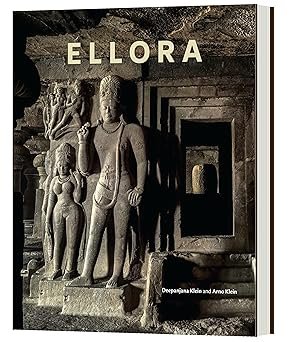
Ellora: Cross-Fertilization of Style in Buddhist, Hindu and Jain Cave Temples
Contents: Foreword/Naman P. Ahuja. Preface/Deepanjana Klein. My Guru: Professor Walter Spink/Stanislaw J. Czuma. Introduction/Deepanjana Klein. 1. Power, Prestige and the Greatest Hindu Myths at Ellora/Deepanjana Klein. 2. The Buddhist Cult of Images and the Business of Buddhist Monasticism/Nicolas Morrissey. 3. Through a Jain Lens: Artistic Process and Exchange at Ellora/Lisa N. Owen. 4. Unfinished Work at Ellora/Vidya Dehejia. 5. Ellora and its Neighbors: Religious and Artistic Cross-Pollination in Maharashtra/Pia Brancaccio. 6. Archival Documentation and the Colonial Gaze/Deepanjana Klein. Glossary. Bibliography. Contributors’ Biographies.
Over a thousand years ago, a quiet village named Elapura in the Western Ghats in Maharashtra was chosen to be the site where powerful dynasties would bring their best artists, artisans, and architects to showcase their talents and the devotion the kings and their subjects had for the gods of their faith. Over centuries the site evolved, changing hands and faiths, and today it is home to some of the greatest Buddhist, Hindu, and Jain rock-cut cave temples in India.
Ellora attempts the first systematic overview of the Ellora cave temples, a UNESCO World Heritage Site, excavated between 600 CE and 1000 CE that are a stunning testament to ancient Indian art. Seeking to capture the essence of Ellora, this volume brings a comprehensive understanding of the chronology and stylistic development of the 34 main caves and lesser caves of the site. Investigating each of the three groups of rock-cut temples by religion and myths, patronage and the economics of a monastery, stylistic influence and exchange, and the process of carving and completion, the contributing authors reveal the integrity, the energy and the brilliance of Ellora.
Ellora also includes extensive photographic documentation, ground plans, and rarely seen early 19th-century etchings of the most significant caves—from Thomas Daniell’s hand-coloured aquatints (based on James Wales’s drawings) to Raja Lala Deen Dayal’s pioneering photographs; M.F. Pithawalla’s detailed watercolours; and James Burgess’s plans done for the Archaeological Survey of India.
