Encyclopaedia of Physical Education Sports and Exercise Science Volumes 1 to 4
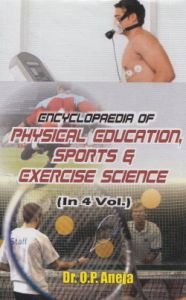
Contents: Vol. I. I. Dimensions of physical education: 1. Education and physical education--an introduction. 2. Teaching methods in physical education. 3. The mainstreamed programme in physical education and sports. 4. Research programs and methods in physical education. 5. Tests and measurements in physical education. 6. Biological basis of physical education. 7. Philosophy of physical education. 8. Physical education and sports as a social institutions. 9. Importance of sports psychology in physical education. 10. Principles and methods of teaching physical activities. 11. Evaluation processes and techniques. 12. Organisation and administration in physical education. 13. Intramural competition and extramural competitions. II. Scientific methods of training and coaching: 1. Sports schemes in India. 2. National sports policy and programmes. 3. Coaching. 4. Sports training. 5. Methods of training. 6. Training load. 7. Transferring the training. 8. Conditioning. 9. Food and nutrition. 10. Tournament. 11. Psychology and coaching. 12. Individual differences and their role in sports performance. 13. Planning of competition. 14. Recovery process physical activities.
Vol. II. III. 1. Physical education in the general education process. 2. Development of physical education in India. 3. Sport schemes and institutions in India. 4. Physical education as a profession. 5. Contribution of h.v.p. mandal in promotion of physical education in India. 6. Career in physical education and sports. 7. National educational policies and commissions. 8. Curriculum planning. 9. Psychological preparation in physical education and sports. 10. Profession preparation in physical education. 11. Education of teachers for physical education. 12. Teaching skills and strategies in physical education and sports. 13. Future prospects in physical education. 14. Curriculum assessment or evaluation. 15. Disciplines, techniques and strategies in physical education. IV. Research process in physical process and sport: an introduction: 1. An overview of research process. 2. Formulation and selection of research problems. 3. The hypothesis. 4. Methods of research. 5. Experimental research. 6. Sampling method. 7. Tools and techniques of data collection. 8. Data collection. 9. The research report. V. Physical education and recreational activities: 1. Introduction to recreational and physical education. 2. Classification of recreational activities and games. 3.The significance of physical education and recreational activities among society and masses. 4. Recreational games and physical exercises for the senior secondary students. 5. The theory, philosophy, and principles of recreation, play and physical education. 6. Program planning in physical education and recreational play. 7. The role of dance in physical education and recreational activities. 8. Significance of social recreational activities among children. 9. Importance of relays in recreational games and physical education. 10. The leader\'s approach to the group in physical education and recreational games. 11. The importance of combative contests in physical education and recreational games. 12. The importance of stage games in recreational activities and physical education.
Vol. III. VI. Physical education handbook: 1. Definition and dimensions of physical education. 2. The nature of physical education. 3. Scope of physical education. 4. Historic foundations of physical education--ancient and contemporary perspective. 5. The historical role of physical education in the problem of adjustment to life. 6. The growing disciplines of physical education. 7. Introduction to research. 8. Needs and areas of research in physical education. 9. Research problems in physical education. 10. Hypothesis and research proposal in physical education. 11. Review of the research material in physical education. VII. Cricket: skills and rules: 1. Introduction and history of cricket. 2. The spirit of game. 3. Batting skills and techniques. 4. Running between the wickets. 5. Bowling skills and techniques. 6. Fielding skills and techniques. 7. Wicketkeeping skills and techniques. 8. Role of captain in cricket. 9. Equipments. 10. Rules of cricket.
Vol. IV. VIII. Sports medicine and exercise physiology: 1. Brief history of sports medicine. 2. Importance of sports medicine in games and sports. 3. Handing sports injuries. 4. Physiotherapy. 5. Exercise physiology. 6. Effect of exercise on muscular system. 7. The respiratory system and exercise. 8. Blood pressure and blood flow resistance responses to exercise. 9. Drugs and doping. 10. Physiological and psychological aspects of sports activities. 11. Sports nutrition and eating disorders. IX. Tests and measurements in physical education: 1. The concept of measurement. 2. Historical background of tests and measurements in physical education. 3. Administration of tests and measurements. 4. Tests and measurements of physical fitness. 5. Introduction to measurements of all types. 6. Evaluation of performance tests. 7. Tests of fitness and endurance. 8. Measurement of motor performance. 9. The evaluation process.
The present title Encyclopaedia of Physical Education Sports and Exercise Science is the best result of painstaking efforts by the author in the field of physical education and sports science. The book is updated and every possible efforts have been incorporated to present the best knowledge and information in the field of physical education and sports science. The contents and sequencing of chapter has been carefully co-ordinated to assure comprehensive coverage and progressive development of concepts.
Hopefully the present book will be useful for the students and teachers of physical education and sports and for those indulge in the preparation of various competitive examination. (jacket)
Vol. II. III. 1. Physical education in the general education process. 2. Development of physical education in India. 3. Sport schemes and institutions in India. 4. Physical education as a profession. 5. Contribution of h.v.p. mandal in promotion of physical education in India. 6. Career in physical education and sports. 7. National educational policies and commissions. 8. Curriculum planning. 9. Psychological preparation in physical education and sports. 10. Profession preparation in physical education. 11. Education of teachers for physical education. 12. Teaching skills and strategies in physical education and sports. 13. Future prospects in physical education. 14. Curriculum assessment or evaluation. 15. Disciplines, techniques and strategies in physical education. IV. Research process in physical process and sport: an introduction: 1. An overview of research process. 2. Formulation and selection of research problems. 3. The hypothesis. 4. Methods of research. 5. Experimental research. 6. Sampling method. 7. Tools and techniques of data collection. 8. Data collection. 9. The research report. V. Physical education and recreational activities: 1. Introduction to recreational and physical education. 2. Classification of recreational activities and games. 3.The significance of physical education and recreational activities among society and masses. 4. Recreational games and physical exercises for the senior secondary students. 5. The theory, philosophy, and principles of recreation, play and physical education. 6. Program planning in physical education and recreational play. 7. The role of dance in physical education and recreational activities. 8. Significance of social recreational activities among children. 9. Importance of relays in recreational games and physical education. 10. The leader\'s approach to the group in physical education and recreational games. 11. The importance of combative contests in physical education and recreational games. 12. The importance of stage games in recreational activities and physical education.
Vol. III. VI. Physical education handbook: 1. Definition and dimensions of physical education. 2. The nature of physical education. 3. Scope of physical education. 4. Historic foundations of physical education--ancient and contemporary perspective. 5. The historical role of physical education in the problem of adjustment to life. 6. The growing disciplines of physical education. 7. Introduction to research. 8. Needs and areas of research in physical education. 9. Research problems in physical education. 10. Hypothesis and research proposal in physical education. 11. Review of the research material in physical education. VII. Cricket: skills and rules: 1. Introduction and history of cricket. 2. The spirit of game. 3. Batting skills and techniques. 4. Running between the wickets. 5. Bowling skills and techniques. 6. Fielding skills and techniques. 7. Wicketkeeping skills and techniques. 8. Role of captain in cricket. 9. Equipments. 10. Rules of cricket.
Vol. IV. VIII. Sports medicine and exercise physiology: 1. Brief history of sports medicine. 2. Importance of sports medicine in games and sports. 3. Handing sports injuries. 4. Physiotherapy. 5. Exercise physiology. 6. Effect of exercise on muscular system. 7. The respiratory system and exercise. 8. Blood pressure and blood flow resistance responses to exercise. 9. Drugs and doping. 10. Physiological and psychological aspects of sports activities. 11. Sports nutrition and eating disorders. IX. Tests and measurements in physical education: 1. The concept of measurement. 2. Historical background of tests and measurements in physical education. 3. Administration of tests and measurements. 4. Tests and measurements of physical fitness. 5. Introduction to measurements of all types. 6. Evaluation of performance tests. 7. Tests of fitness and endurance. 8. Measurement of motor performance. 9. The evaluation process.
The present title Encyclopaedia of Physical Education Sports and Exercise Science is the best result of painstaking efforts by the author in the field of physical education and sports science. The book is updated and every possible efforts have been incorporated to present the best knowledge and information in the field of physical education and sports science. The contents and sequencing of chapter has been carefully co-ordinated to assure comprehensive coverage and progressive development of concepts.
Hopefully the present book will be useful for the students and teachers of physical education and sports and for those indulge in the preparation of various competitive examination. (jacket)
