Essays on the Arabian Nights
Contents: 1. Introduction/Rizwanur Rahman and Syed Akhtar Husain. 2. Presence of Sufi teachings and practices in some tales of the Arabian nights/Jean-Jacques Thibon. 3. Reception of the Arabian nights in Tamil: the story of Madinatun Nuhas in Tamil adaptation/K.M.A. Ahamed Zubair and Krishnaswamy Nachimuthu. 4. Reception of the Arabian nights in Malay literary and cultural traditions/Kaseh Abu Bakr, Suhaila Zailani and Maheram Ahmad. 5. Modern Sheharzads: women as storytellers/Ismat Latif Mehdi. 6. Reflections on the Arabian nights and the forty vaziers' stories/Sevim Ozdemir. 7. 1001 Nights: its reception in Russia/Nasar Shakeel Roomi. 8. Translations of the Arabian nights in Turkish literature/Ali Fuat Bilkan. 9. Kamil Kilani : an exponent of Alf Layla Wa Layla for Children/Muzaffar Alam . 10. Woman in Islamic society: a study of the Arabian nights/Ashfaq Ahmad. 11. Reception of the Arabian nights in sanskrit literature/Hari Ram Mishra. 12. Literary heritage as a source of the renovation of modern Arabic prose/Baian Rayhanova. 13. Reception of Alf Layla in India with speical reference to Urdu/Syed Hasnain Akhtar. 14. Magic carpet to Japan/Janashruti Chandra. 15. The Influence of the Arabian nights on Malayalam literature/A. Nizarudeen and A.S. Thajudeen. 16. The spell of infinity: impact of the Arabian nights/G.R. Malik.
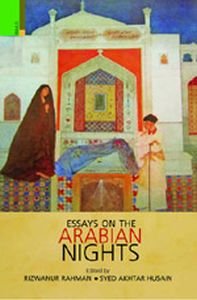
Essays on The Arabian Nights or The One Thousand and One Nights revisits this classic text in translations as well as reassesses its impact on world literature. Scholars from India and abroad have discussed the Tamil, Russian, Sanskrit, Urdu, Japanese, Malayalam, English, Turkish and Malaysian versions of these stories which have enchanted generations of storytellers and listeners.
Dealing with human foibles, fallacies, infidelities and desires, the stories truly capture the varied layers of human existence. Refusing to see it merely in stereotypical terms of East v West the contributors of the essays in this volume locate the classic in its socio-cultural context. This book takes into account the discourse on Sufism found in these stories as well as explores its impact on literary studies and Asian Dialogue.
