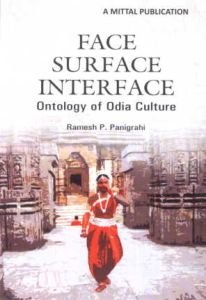
Face Surface Interface : Ontology of Odia Culture
Contents: Preface. 1. Pale ontological Odisa. 2. Kalinga and Odra multiple interpretations. 3. Prehistoric evidences. 4. Evidence of the paleolithic age copper age. 5. Coins. 6. Odia culture from 1700 B.C. to 11the century A.D. 7. The Suktimati civilization 10th century B.C. to 16th century B.C. 8. Kharavela and Jain culture in Orissa 1 st century B.C. 9. The Bonda tribe the hilltop dwellers. 10. How scientific is a legend?. 11. The history of Koraput. 12. The language of Tri Kalinga. 13. Village system and agriculture in prehistoric Odisa. 14. Odia tribal culture. 15. Evidences from archaeology-Oriya culture and history. 16. History as politics/politics as history : Odia culture in 1st century B.C. 17. Mahabira and Buddhas influences on Odia culture. 18. Our multiple cultural faces. 19. The spiritual life of the Dongria Kondhs. 20. Religion and magic in Odia Vratya Culture. 21. The impact of Jainism in Koraput. 22. Schools of Buddhism. 23. Ramayana and Mahakosala. 24. Kosala and Nagarjuna Nagarjuna\'s life story. 25. The tantric culture. 26. Kalinga and its culture. 27. Sakta culture in Mahakosala. 28. Mahakantara and the cult of stambheswari. 29. Sun worship in Odisa. 30. Commercial culture in ancient Kalinga. 31. Water routes. 32. The exportation of Odissi goods. 33. Education and culture. 34. Ancient disciplines of education in Odisa. 35. Mathematics astrology and Almanacs. 36. Studies in Ayurvedic medicine. 37. Vocational education in ancient Odisa. 38. Yuan Chwang\'s account. 39. Dasaratha Jataka one more version of Ramayana. 40. Silpa Prakasa Orissa. 41. Orissa in the micro histories. 42. The history of Kantilo. 43. The history of Ranapur. 44. The history of Nayagarh. 45. The history of Banki. 46. The history of Buguda. 47. A thread of continuity. 48. Cultural roots through micro histories. 49. Folk culture of Odisa. Bibliography. Index.
This is the first explorative book on culture that interprets the rock evidences, tribal and other religious pantheons, politics, theory of architecture, folk arts, mythology and performing arts of Kalinga, Kosala and Utkala, politically reformulated in 1936 as Orissa.
Having exposed and combined the concepts of culture envisaged by Weber, Durkheim and Parson, the study approaches toward postmodern discourse: phenomenology, cultural anthropology and structuralism. The book also determines how transmission of knowledge is central to culture and narrates through its five sections how Odiya culture is linked to power in conscious and unconscious ways; hw it is insidious, sporadic and ubiquitous; and of course, how the Odia cultural ideologies, in care moments, transcend rationale boundaries.
