Food Production : Operation and Management: Vols. I and II
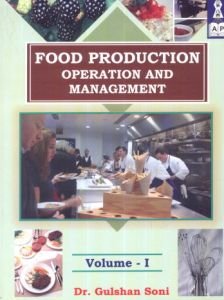
Contents: Volume. I. Unit. I: Basic of Cookery. 1. Introduction to Hospitality and professional catering. 2. Introduction to Professional Cookery. 3. Kitchen Commodities. 4. Methods of cooking. 5. Kitchen organization and management. 6. Stock. 7. Soups. 8. Sauces. Unit. II: Commodities and Farinaceous. 9. Eggs. 10. Rice. 11. What and Corn. 12. Pasta, Noodles and Other. 13. Dairy Products. Unit. III: Meats and Seafood Cookery. 14. Meats. 15. Lamb and Mutton. 16. Poultry and Game. 17. Pork. 18. Beef and Veal. 19. Fish and Sea Food. Volume. II: Unit. IV: Grade Manager. 20. Cold Preparation. 21. Hors d’ oeuvre and Appetizers. 22. Salads. 23. Sandwich. Unit. V: International Cuisine. 24. Asian Cuisine. 25. Chinese Cuisine. 26. Indonesian cuisine and Philippines Cuisine. 27. Japanese Cuisine. 28. European Cuisine. 29. Arabic Cuisine. 30. Mediterranean Cuisine. 31. Mexican cuisine and Spanish cuisine. 32. Indian Cuisine. Unit. VI: Bakery. 33. Introduction to Bakery. 34. Yeast, Bread and Dough. 35. Pastry Dough. 36. Cakes. 37. Biscuits and Petit/fours. 38. Cake icings and fillings. Unit. VII: Kitchen Management. 39. Kitchen Designing. 40. Menu Planning and Material Management. 41. Laws Regarding Food. 42. Management standard of Hygiene and storage. Bibliography. Index.
This book has been designed keeping in mind that there is no such text book on food production available as of now. The key note of this book is comprehensive details of each subject. Food production is neither dull nor difficult if you study it intelligently. Indeed it might be argued in the hotels industry food production ranks higher among the arts. Food production is specially designed to meet the requirement of student’s undergraduate, post graduate course in food production operation and management. This book will also be perfectly suited to those who are already in the industry. The inspiration to write this book came from the hospitality industry where I have worked for seven years in a diligent manner. This book has all the necessary chapters relating to all different aspects of kitchen training in world cuisine.
The book is divide into seven units. The first unit of this book contains eight chapters which serve an introduction to hospitality and professional catering. Also provide details about raw materials, methods of cooking and basic preparation.
The second unit of this book contains four chapters which mainly emphasis on commodities and farinaceous. This unit provides you detail about egg, rice, wheat, corn and dairy product with their composition and there structure, with some standard recipes.
The third unit of this book contain six chapters which mainly emphasis on meat and seafood cookery. This unit provide you details about their standard cuts with their used. With some standard recipes.
The fourth unit of this book contain four chapters which mainly emphasis on grade manager section. This unit provides you in details about the Hors d’oeuvres, salads and sandwich. With their composition and types. With some standard recipes.
The fifth unit of this book contain includes nine chapters which mainly emphasis on International cuisine which includes Chinese, Japanese, Indonesian, Philippines, European, Arabic, Mediterrian, Mexican, Spanish and India. In this unit you recognized there culinary regions with their common Ingredients and there method of cooking with their glossary and with the end of unit you find some regional recipes.
The sixth unit of this book contain six chapters which mainly emphasis on bakery. In this unit you know about the bakery, with their ingredients, methods of mixing and its preparation. With some standard recipes.
The seventh unit of this book contains four chapter w\\which mainly emphasis on kitchen management. In this unit you learn about how to design a kitchen, how to plan a menu, detail about material management, how to control food cost, different law food regarding food and certain management standards of hygiene.
