Franz Kafka and Literary Modernism
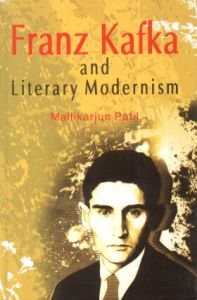
Contents: Preface. Introduction. 1. Franz Kafka’s life. 2. Franz Kafka and modernism. 3. Franz Kafka’s novels. 4. Franz Kafka’s short stories. 5. Franz Kafka’ letters and diaries. 6. Franz Kafka and Jewishness, Marxist interpretations, films, societies and websites. 7. Franz Kafka and others: Kierkegaard, Gogol, Freud, Husserl, Mann, Heidegger, Dickens, Melville, Hardy, Joyce, Hemingway and Bellow. 8. Conclusion. A select bibliography. Index.
Franz Kafka (1883-1924) is one of the best writers of modernism. He was a neo-romanticist, expressionist and surrealist. The existentialists considered him as their writer of atheism, dread, angst and alienation. The parishioners of the theatre of the Absurd spoke of him as a writer who spoke of the purposelessness of life. Of course, Kafka was both and he was more than that.
Franz Kafka, the Austrian writer, was a pioneer modernist writer. He is called the poster boy of modernism. Kafka rote three novels America, the Trial and The Castle, and stories like the Metamorphosis (actually a novella), In the Penal Colony and others.
The present book on Kafka is a critical monograph for Indian readers.
The book has as many as seven chapters. The first chapter is an introduction to Kafka. Since Kafka was a modernist writer, the second chapter discusses modernism at Kafka’s time. Chapter 3 is a critical analysis of Kaka novels; and chapter 4 of his short stories. Kafka was a fine letter writer, and even a diarist, as can be seen in the next chapter. Kafka was obsessed with many subjects that harassed the modern man; he worried about the Christians anti semetic attitude, capitalism and this is discussed in chapter 6. As a great writer Kafka is compared with great people like Kierkegaard, Freud, Dickens, etc., in the next chapter.
Franz Kafka (1883-1924) is one of the best writers of modernism. He was a neo-romanticist, expressionist and surrealist. The existentialists considered him as their writer of atheism, dread, angst and alienation. The parishioners of the theatre of the Absurd spoke of him as a writer who spoke of the purposelessness of life. Of course, Kafka was both and he was more than that.
Franz Kafka, the Austrian writer, was a pioneer modernist writer. He is called the poster boy of modernism. Kafka rote three novels America, the Trial and The Castle, and stories like the Metamorphosis (actually a novella), In the Penal Colony and others.
The present book on Kafka is a critical monograph for Indian readers.
The book has as many as seven chapters. The first chapter is an introduction to Kafka. Since Kafka was a modernist writer, the second chapter discusses modernism at Kafka’s time. Chapter 3 is a critical analysis of Kaka novels; and chapter 4 of his short stories. Kafka was a fine letter writer, and even a diarist, as can be seen in the next chapter. Kafka was obsessed with many subjects that harassed the modern man; he worried about the Christians anti semetic attitude, capitalism and this is discussed in chapter 6. As a great writer Kafka is compared with great people like Kierkegaard, Freud, Dickens, etc., in the next chapter.
