Fundamentals of Plant Diseases
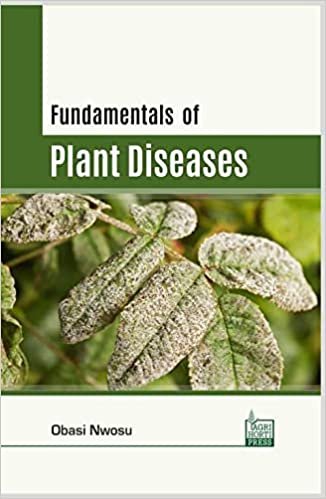
Contents: Preface. 1. Introduction to Plant Disease. 2. Plant Viral Diseases. 3. Plant Pathology. 4. Plant Nematodes Diseases. 5. Diseases of Leaf. 6. Fruit Diseases. 7. Vegetable Diseases. 8. Prevent Diseases of Treating Seeds. 9. Control of Plant Disease. Index.
Plant diseases are generally divided into two groups based on their cause. Nonparasitic diseases are induced by some genetic or environmental factor such as nutrient deficiencies, extreme cold or heat, toxic chemicals (air pollutants, weed killers, or too much fertilizer), mechanical injury, or lack of water. These diseases cannot be transmitted to healthy plants and their control depends solely on correcting the condition causing the disease. Plant diseases are reasonably uniform in size and stability. They generally sediment between 50 and 500s and are resistant to chelating agents. Few host components share these sedimentation and stability properties. Most plant diseases are caused by fungi, bacteria, and viruses. Although the term disease is usually used only for the destruction of live plants, the action of dry rot and the rotting of harvested crops in storage or transport is similar to the rots of growing plants; both are caused by bacteria and fungi. Any environmental factor that favors the growth of parasites or disease transmitters or that is unfavorable to the growth of the plants will lead to increases in the likelihood of infection and the amount of destruction caused by parasitic disease. Parasitic diseases are spread by dissemination of the agent itself (bacteria and viruses) or of the reproductive structures (the spores of fungi). Wind, rain, insects, humans and other animals may provide the means for dissemination.
