Garo (Achik) Tribe of Meghalaya
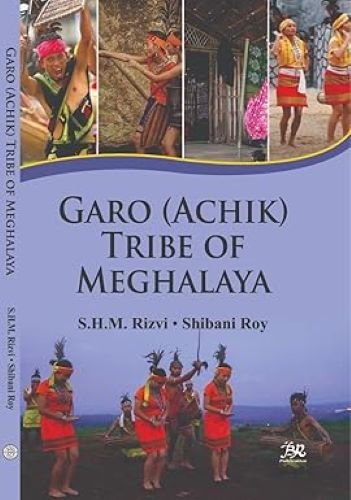
Contents: Preface. 1. Habitat. 2. Ethno-history. 3. Cultural matrix. 4. Social structure. 5. Material culture. 6. Socio-cultural change. 7. Customary laws and practices. 8. Change in economy. 9. Tribe in transition.
"The Garo people live in the North East part of India and concentrated in the state of Meghalaya. They reside on the hills that derive its name from, Garo and hence referred to as Garo Hills. The Garo address themselves as A\' Chik or Mande. The people live in a lush forested area that experiences heavy rainfall. The population of this area is believed to be approximately 300,000. The Garo people categorise themselves into a number of groups based on dialectical differences and location. The Garo set up permanent villages that vary in size. These villages tend to be between 10 to 60 households. The people of the village rely on the Slash-and-burn technique for agriculture that they refer to as jhum. They cultivate rice, millet, and bananas, along with a variety of vegetables. The important cash crops for the Garo people are cotton, chili, peppers and ginger. The lifestyles of the Garo people are all based on a matriarchical point of view. In other words the people put a high status and power in the hands of the women. The land can only be inherited through the women of the families. The village leader is only chosen by the husband of the heiress. Each married couple chooses one daughter, usually the youngest, to be the heiress of the household and property. Sometimes the position of this youngest daughter would fall into marrying a specific relative as well to keep the land in the family.
American Baptist missionaries arrived in the Garo Hills and professed Christianity. As a result, one-quarter to one-third of the Garo are now Christians. The native Garo religion includes the belief of supernatural spirits called mite. They believed that these spirits lived in the jungle and caused diseases. They also believed in important Gods that overlooked the growth of the crops. The book is a cultural travelogue and depicts the traditional way of Garo life and the change crept therein." (jacket)
