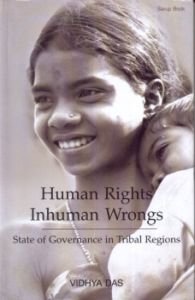
Human Rights Inhuman Wrongs : State of Governance in Tribal Regions
Contents: Preface. Foreword. I. Governance and Development: 1. Development and tribal women. 2. Human rights, inhuman wrongs: plight of tribals in Orissa. 3. At the edge of development. 4. Democratic Governance in tribal regions: a dream too distant. 5. The national rural employment Guarantee act: the vision and the reality. 6. Illusions of change. II. Education and child rights: 7. Another way lights the night. 8. What do child rights mean for our children?. 9. Education and social change. 10. Whither elementary education?. 11. Irrelevance of children\'s day. III. Right to minor forest produce: 12. Broomsticks are trickier than witches. 13. Forest department vs. tribal women. 14. Minor forest produce and rights of tribals. 15. A pro-tribal policy at last. IV. Profit over people: 16. Developing or destruction: new mining projects in Orissa. 17. Human sacrifice: the non-tribal methods. 18. A heap of broken Bangles by the road. 19. A state against its people. 20. Likely consequence of Bauxite mining and processing. 21. Land of sufferance. 22. Orissa : mining bauxite, maiming people. 23. Kalinganagar: a first impression report. 24. Shoot vs down but dont mock us. 25. Corporate social irresponsibility. 26. Republic day gift. V. Pro-people acts and polices: 27. Food policy and tribal poverty. 28. PESA a reality check. VI. Gender justice: 29. Women in a globalising world: Sati in a new garb. End notes. Index.
"This is book about development as it affects some of the most poverty stricken and marginalised communities. A collection of articles and essays written over more than 15 years, the book covers a range of issues, communities and people. From tribals in Orissa to slum children in Connought Place. But the underlying theme of every paper is the issue of justice and fair play denied to the marginalized and the voiceless. The book relentlessly questions the models and paradigms of development today, and in so doing, tries to offer an alternative that would be more people centered and holistic, and allow for diversity of subsistence and livelihoods. Today diversity exists only in the malls. The rest is a dreary conformity to consumerism ad nauseum with disastrous consequences as is becoming increasingly clear. The writings in this book have been questioning this paradigm much before the problems of climate change began to affect us. The book holds that if a people-centered approach is given importance prioritising people over profits, then much of the environmental problems of today need never have happened." (jacket)
