Poverty in India
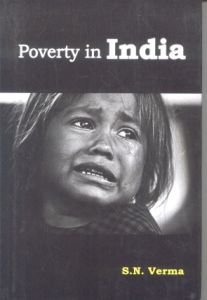
Contents: Preface. 1. Introduction. 2. Poverty: political economic analysis. 3. Poverty alleviation. 4. Identity and work. 5. The impact of economic reform. 6. Children development policy and programming. 7. The globalisation of poverty. 8. Poverty and sustainable development. Bibliography. Index.
Poverty in India is widespread with the nation estimated to have a third of the worlds poor. According to the criterion used by the Planning Commission of India 27.5% of the population was living below the poverty line in 2004-2005 down from 51.3% in 1977-1978 and 36% in 1993-1994. Since the 1950s the Indian government and non-governmental organizations have initiated several programs to alleviate poverty including subsidizing food and other necessities increased access to loans improving agricultural techniques and price supports and promoting education and family planning. Although the Indian economy has grown steadily over the last two decades its growth has been uneven when comparing different social groups economic groups geographic regions and rural and urban areas.
Though India boasts of a high economic growth it is shameful that there is still large scale poverty in India. Poverty in India is reducing but it is still a major issue. Rural Indians depend on unpredictable agriculture incomes while urban Indians rely on jobs that are at best scarce. Since its independence the issue of poverty within India has remained a prevalent concern. According to the common definition of poverty when a person finds it difficult to meet the minimum requirement of acceptable living standards he or she is considered poor. (jacket)
