Rites and Rituals of Kashmiri Brahmins
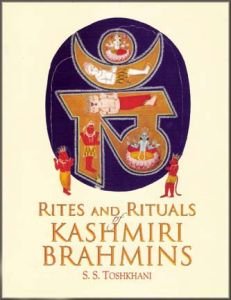
Contents: Preface. 1. Introduction. 2. Primary texts and sources of inquiry. 3. Life cycle rituals-childhood Samskaras. 4. Mekhal or sacred thread investiture. 5. Marriage Ceremonies. 6. Funerary and post funerary rites. 7. Daily rites and other rituals. 8. Puja rites and festivals. 9. ritual arts. 10. Conclusions. Bibliography. Index.
Kashmiri. From this point of view, there is much in the ceremonies and sacraments which characterize the religious life of Kashmiri Brahmins that could form a fascinating field of study for the religious historian as well as the social anthropologist.
Prompted by such an intent this book sets to examine the ritual activity of the numerically small but culturally rich community of Kashmiri Pandits, seeking to explore its distinguishing features and also to comprehend the ``formative consciousness`` and epistemological foundations on which their ritual system is based. This system, as this study points out, remains anchored in the ordainments of the Grihyasutras of Laugakshi associated with the Kathaka school of Black Yajurveda which is replete with Vedic elements and forms the substratum of the sacramental beliefs and domestic rituals of the Kashmiri Brahmins.
Later, from the 7th century, the esoteric cults of Tantrism came to occupy the centre-stage in the religion practiced in Kashmir with an exclusive body of liturgical texts primarily propagating the doctrine of the union of Shiva and Shakti. In the 10th century, the great Abhinavagupta synthesized and integrated the Tantric Krama, Kula and Trika schools into the monistic vision of what is known as Kashmir Shaivism. Many of the practices of these schools came to be incorporated in the ritual system followed by Kashmiri Hindus today. Along with this the goddesses cults also gained popularity and predominance, in particular those dedicated to the worship of the most popular local goddesses Ragnya and Sharika who came to be identified with the great Mother Goddess herself.
Dividing the rites and ceremonies of the Kashmiri Hindus into the broad categories of Samskaras or life-cycle rituals and other domestic rituals, Puja or worship rituals including festivals and ritual arts, this book looks at them as patterns of culture and aspects of social life peculiar to the community. It uses the methodology of both examining the source texts and undertaking field work, while focusing on the elements that lend these rituals their distinct colour and flavor and providing interesting insights into an exclusive scenario of religious activity hardly known to the world outside." (jacket)
