Seeking Begumpura : The Social Vision of Anticaste Intellectuals
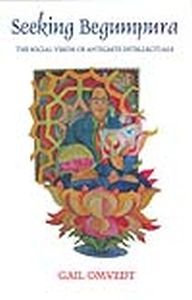
The bhakti readical Ravidas (c 1450-1520), calling himself a tanner now set free, was the first to envision an Indian utopia in his song Begumpura- a modern casteless, classless, tax-free city without sorrow. This was in contrast to the dystopia of the brahmanical kaliyuga. Anticaste intellectuals in India posited utopias much before Thomas More, in 1516, articulated a Renaissance humanist version. Gail Omvedt, in this study, focuses on the worldviews of subaltern visionaries spanning five centuries-Chokhamela, Janabai, Kabir, Ravidas, Tukaram, the Kartabhajas, Phule, Iyothee Thass, Pandita Ramabai, Periyar and Ambedkar. Reason and ecstasy-dnyan and bhaktilbhav are the underlying themes in this book. They constitute the two main strands of the utopian vision: the joy taken in the consciousness of a promised land and the analytical power that defines the contours of that land. Together, they make the road that leads to the Promised Land.
