Swimming
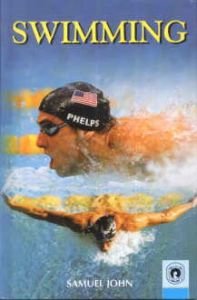
Contents: Preface. 1. Basic of Swimming. 2. History of Swimming. 3. Types of swimming strokes. 4. Swimming stroke techniques. 5. Triathlon Swimming. 6. Body Composition and Swimming. 7. Training Demands of Swimming. 8. Swimming and Breath Control. 9. Nutrition and Swimming. 10. Mastering the Art of Swimming. 11. Strength Training for Swimming. 12. Weight Training for Swimmers. 13. Flexibility Training for Swimmers. 14. Circuit Training for Swimmers. 15. Swimming Related Injuries. Bibliography. Index.
“Swimming is one of the most popular recreational activities all over the world. It is also a form of sport in several countries. Health and fitness experts always stress the importance of including swimming in their exercise regime. Swimming improves the blood circulation in the body and is a great workout for all the muscles. It is a form of low impact aerobic activity and increases strength and cardiovascular stamina. Apart from being a full body exercise, it is also a great way to relax and rejuvenate. Besides, the number of injuries associated with swimming is comparatively lesser than other sports.
The aim of competitive swimming is to be the fastest to swim at a given distance and drop time. Competitive swimming became popular in the nineteenth century. It is a popular event at the Olympic Games, where male and female athletes compete in 13 of the recognized events each. The four competitive strokes are the butterfly, backstroke, breaststroke and freestyle. It is recommended for new swimmers to begin swimming under the guidance and training of a proficient swimming coach. It can be fatal to enter a swimming pool without having prior training.”
