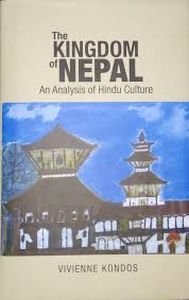
The Kingdom of Nepal: An Analysis of Hindu Culture
Contents: Preface. Foreword. I.Introduction: 1. The problem. 2. A matter of theory. 3. A matter of method. II. Differentiation: 4. Time and change, a Hindu preoccupation. 5. The three Gunas and the processual mode. 6. The hidden base of three. 7. Other numerations. 8. Some indigenous concepts of caste nad caste behaviour. 9. Some controversial caste issues. 10. The nature of caste differentiation. 11. Status or onotology? III. Getting to where the real power lies: 12. Response to phenomenality. 13. Pollution, purification and cycles. 14. The purifies and purification. 15. Sacralization. 16. Exclusions. 17. Fruits from the Gods. 18. King, sadhu and Brahmin : special types and special powers. IV. The Hindu Kingdom: 19. The Kingdom. 20. Land and the state. 21. The laws and Hindu order. 22. On the structuring of power. 23. Control over the forces of destruction. 24. The major difficulties in applying a marxist framework to traditional Hindu society. Bibliography. Glossary. Index.
This remarkable book, based on research carried out in Nepal between 1972 and 1979, when Nepal was still a Hindu kingdom ruled by a divine monarch, covers everything from its unique political system to the intricacies of the caste system, the land-tenurial system, all forms of social inequality and both Hindu rituals and metaphysical ideas. It is a truly monumental work in every sense of the term, though most especially for the originally for the author's interpretive ideas.
Unlike most of her predecessors in the field of South Asian studies, who predominantly employed western social science ideas.
Vivienne accorded priority to Hindu theory and metaphysics. This enabled her to mount convincing criticisms not only of Louis Dumont's highly influential structural understanding of both the caste hierarchy and Hindu kingship in India, but also the contributions made by the numerous exponents of both American cultural and Mrxist anthropology.
