The Making of Malaviya
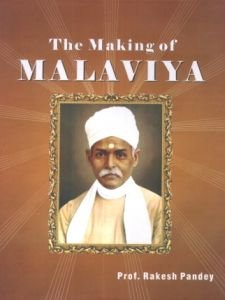
Contents: 1. Malaviya in the eyes of historians. 2. Legislative councils-tentative suggestions. 3. Expansion of legislative councils. 4. Reform of legislative councils 1890. 5. Reform of legislative councils 1894. 5. Representation of Indians in Parliament. 6. Reform proposals. 7. Discontent in India and the reform proposals. 8. Indian National Congress-Presidential Address, 1909. 9. The House of Commons and Indian grievances. 10. Indian grievances and their remedies. 11. Grievous distress among the people of India. 12. Poverty and famine. 13. Reforms of prevent famines. 14. The expenditure commission. 15. Royal Commission of Indian expenditure. 16. The Bundelkhand Alienation of Land Bill. 17. Local and rural police rates bill. 18. The United Provinces District Boards Bill. 19. The United Provinces District Boards Bill. 20. Financial Statement, 1904. 21. Financial Statement, 1906. 22. Financial Statement, 1907. 23. Financial Statement, 1908. 24. The income-tax and the taxable minimum. 25. Employment of Indians in the public service. 25. Provincial Contract Acts. 26. The Universities Bill. 27. The London Committee of the Indian National Congress. 28. Repressive measures in Bengal. 29. Boycott Movement. 30. The Swadesi Movement 1906. 31. The Swadesi Movement 1907. 32. The situation 1917. 33. Simulation examinations. 34. Enhancement of railway fares. 35. Imperial War Conference. 36. Indian Constitution reforms. 37. India’s self-determination. 38. Madan Mohan Malaviya: Presidential address 1918. 39. Madan Mohan Malaviya: Gaya presidential address Hindu Mahasabha 1923. 40. Madan Mohan Malaviya: Presidential address 1932. Bibliography.
Making of Malaviya is a resource to peep into the mind of Hindu India at the time of the end of nineteenth century and beginning of twentieth century. It takes the reader to the world of consciousness reacting to the incidence of imperialism. How, in the formative days of the process of India in the making, a representative traditional Hindu articulates the political, economic and cultural contours of nationalism, can be seen through the pages of the book. It is a note on the response of tradition to modernity from Indian subcontinent.
Making of Malaviya is a resource to peep into the mind of Hindu India at the time of the end of nineteenth century and beginning of twentieth century. It takes the reader to the world of consciousness reacting to the incidence of imperialism. How, in the formative days of the process of India in the making, a representative traditional Hindu articulates the political, economic and cultural contours of nationalism, can be seen through the pages of the book. It is a note on the response of tradition to modernity from Indian subcontinent.
