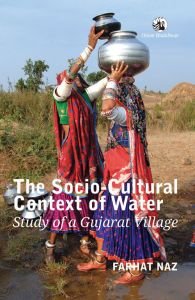
The Socio-Cultural Context of Water: Study of a Gujarat Village
Contents: 1. A Socio-Anthropological Look at Water: The Vagaries of Watershed Development Projects. 2. Shades of Blue: Water Management in India across Time and Space. 3. Images of Community: Community-Based Natural Resource Management. 4. Whims of Gujarat’s Water Planning Policy: Ailments, Pitfalls and Success. 5. The World of Water in Mathna. 6. Social Organisation and Politics of Participation: The Watershed Development Project of Mathnaa. 7. Groundwater Development of Mathnaa: Through the Lens of Borewells. 8. The Landscape of Water: Community-Based Natural Resource Management in Mathnaa. Appendix. References. Index.
Water as a commodity in a consumer society is critically studied in this volume, the rural hinterland being viewed through the micro world of Mathnaa. Socio-cultural Context of Water: Study of a Gujarat Village analyses various aspects of water management at a project in Mathnaa in Sabarkantha district of the state of Gujarat noted for its aridity.
This small village is sharply differentiated along the lines of caste, tribe, class and gender. Wells are the main source of irrigation, rainfall being erratic. Water scarcity is an arena of conflict, which leads to the social actors trying to exploit the situation for their vested interests depending on their relative power positions. A significant finding of this volume is that Scheduled Caste and Scheduled Tribe farmers too own borewells and are able to participate in user-group committees, thus gaining social mobility.
The author has explained to what extent attempts to revive the institutions for community water management have been successful, illustrating local power dynamics in terms of wealth, land ownership and access to water.
