Tipping Point: A Short Political History of India
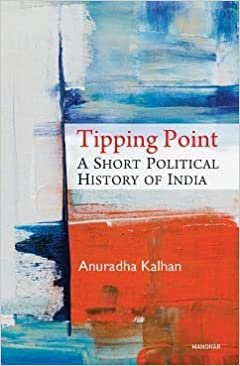
A French journalist once asked Nehru that, ‘what was the most difficult part of his experience at the helm had been?’ He replied, ‘making a just society using just means. He further added, ‘making a secular republic in a religious country.’ Both these projects appear endangered today. In the circumstance that we find ourselves today, this book sketches the history of political forces in modern India. It begins defining these political categories of left, right and far-right with the usual reference to French Revolution (for want of an indigenous equivalent), and discusses movement of forces towards left, or towards the right from the balance of socio-political forces or status quo at a point of time in India. It recalls historical facts, uses chronological order for clarity and leaders’ names and political parties, their world view and ideas of nation, social groups they represented, and their movements. It progresses by reopening only a few windows to modern Indian history and looks at periods like, the 1920-30s, and 1970s-80’s, when there were significant movements and consolidation of socio-political forces to the right and far right. At the late 1960s and early 1970s, there were a series of policy proposals, legislations to nationalize assets and launch direct attacks on poverty that marked a sharp turn to the leftist ideology in Delhi (the central government of the time).
